
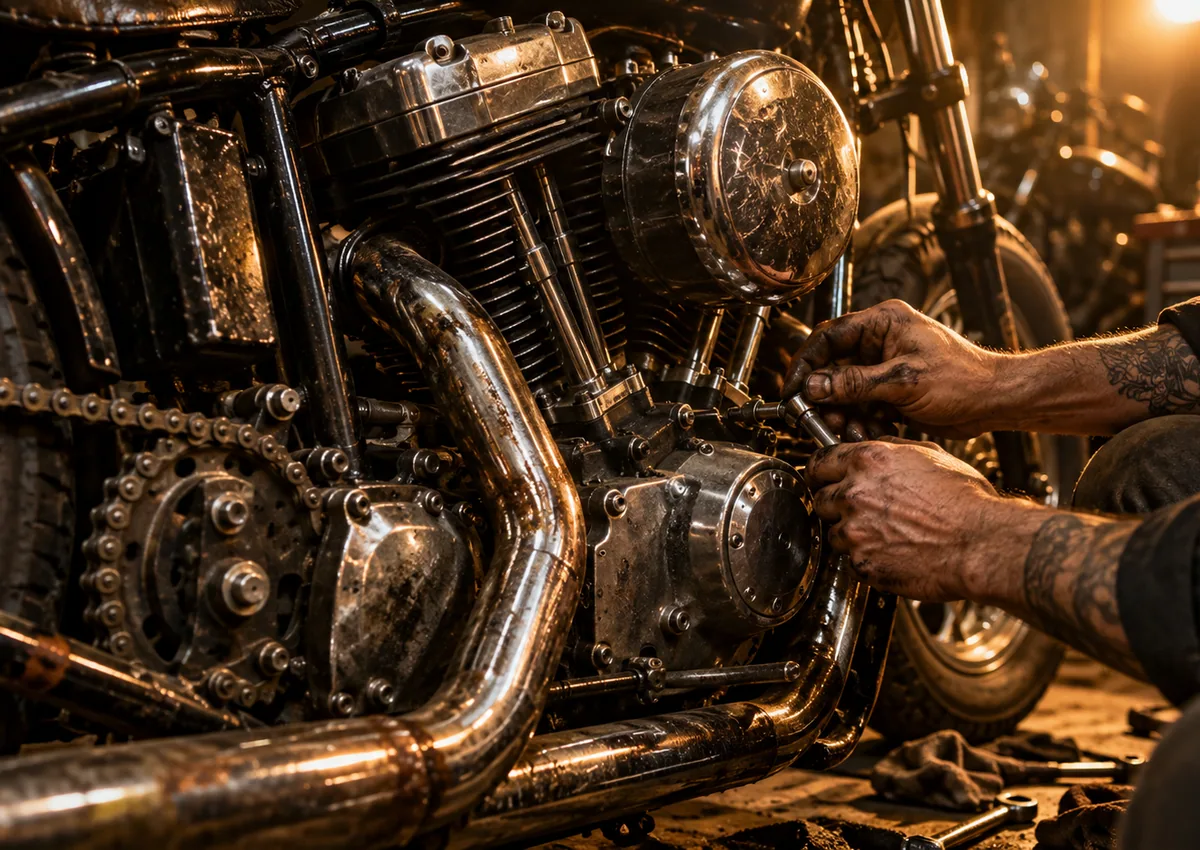
WTN WORKSHOP / DEDICATED TO AMERICAN IRON
REAL POWER STARTS WITH KNOWING YOUR ENGINE.
From 1930s Knuckleheads to a modern Milwaukee-Eight, this is where WTN gets under the tank: valve gear, cam profiles, oil systems, ignition, exhaust tuning, brakes, handling and the full cost of building a motorcycle that works on the road.
We’ve adapted the complete Biker Free Press Harley Performance Garage research index into a WTN workshop. All 38 original detailed reports are linked below; the six Big Twin engine libraries, Sportster Garage and workshop departments are written here for WTN.
MORE IRON. MORE WORKSHOP.
Sportster generations / Parts & ModsIRONHEAD TO REVOLUTION MAX
THE SPORTSTER GARAGE
XL, XLH, XLCH, Hugger, Custom, Iron, Nightster, Forty-Eight, Roadster, XR and modern RH models. A model index and five generation guides.
FIND YOUR SPORTSTER →BUILD THE WHOLE MOTORCYCLE
PARTS & MODS
Engine parts, intake and tuning, electrical, suspension, brakes, drivetrain, oiling and touring. Eight departments for the work behind the ride.
ENTER THE PARTS COUNTER →THE IRON THAT BUILT THE LEGEND
Knuckle / Pan / Shovel / Evo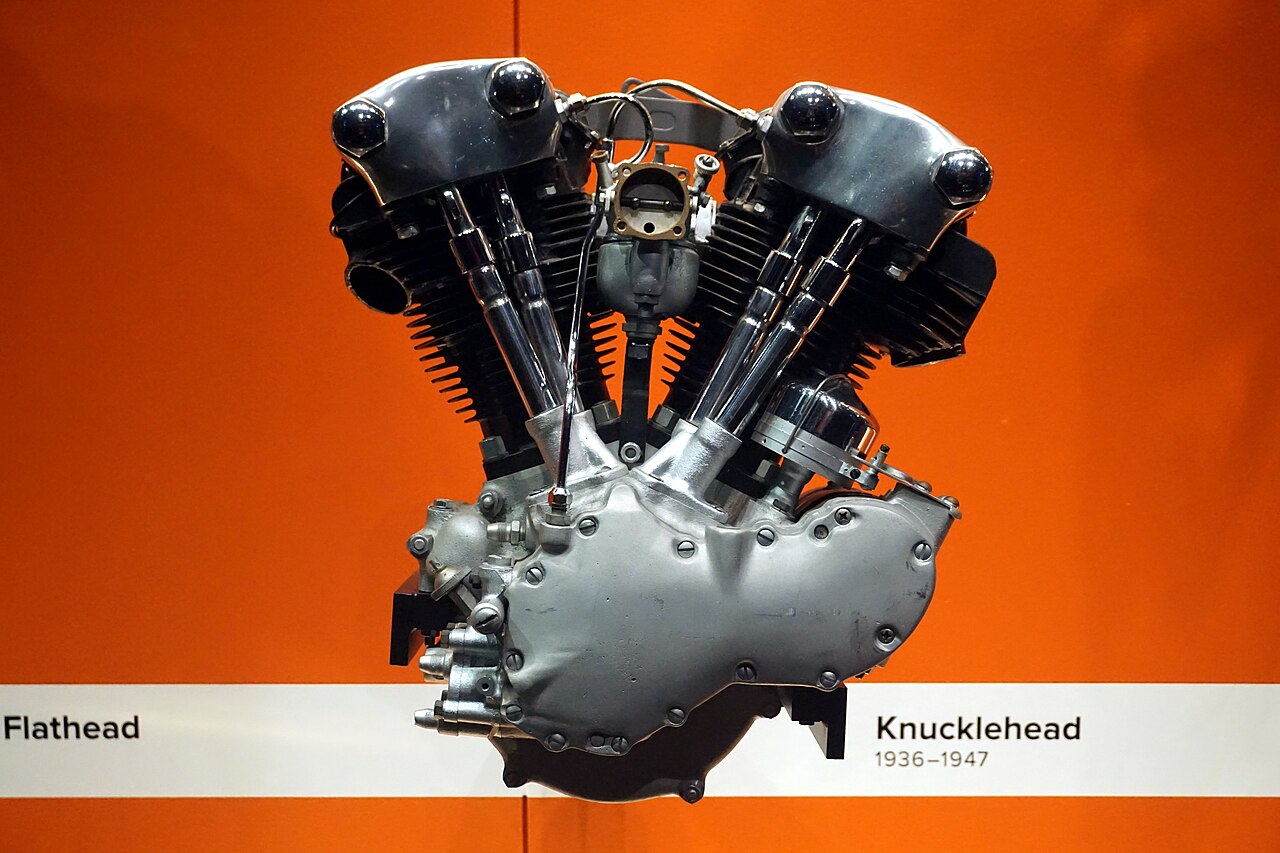
Knucklehead
The overhead-valve original: iron heads, dry-sump oiling, roller bottom end and the birth of the OHV Big Twin.
EXPLORE THE ENGINE →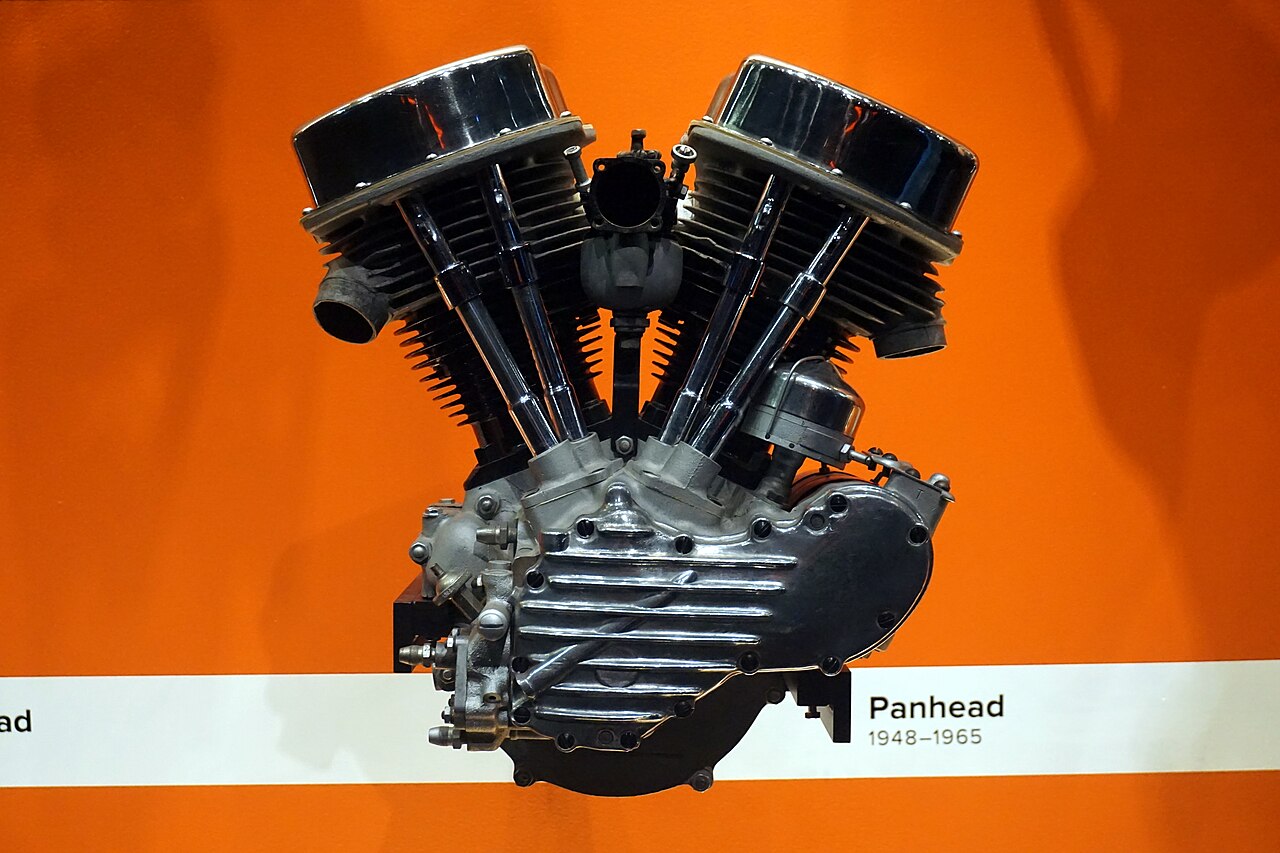
Panhead
Aluminum heads, hydraulic lifters and the iconic deep rocker covers that defined the postwar Harley.
EXPLORE THE ENGINE →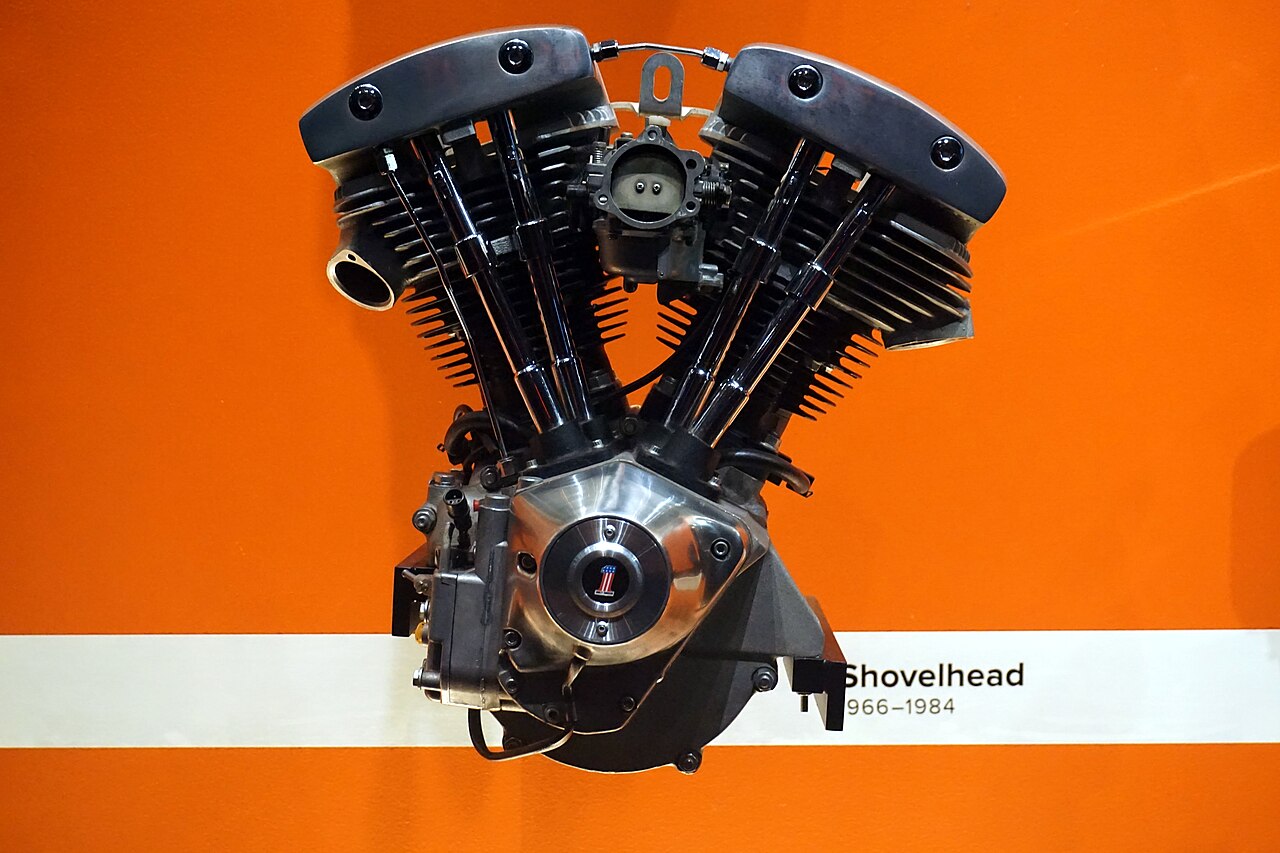
Shovelhead
From generator Shovels to alternator cone motors: the classic American chopper and touring powerplant.
EXPLORE THE ENGINE →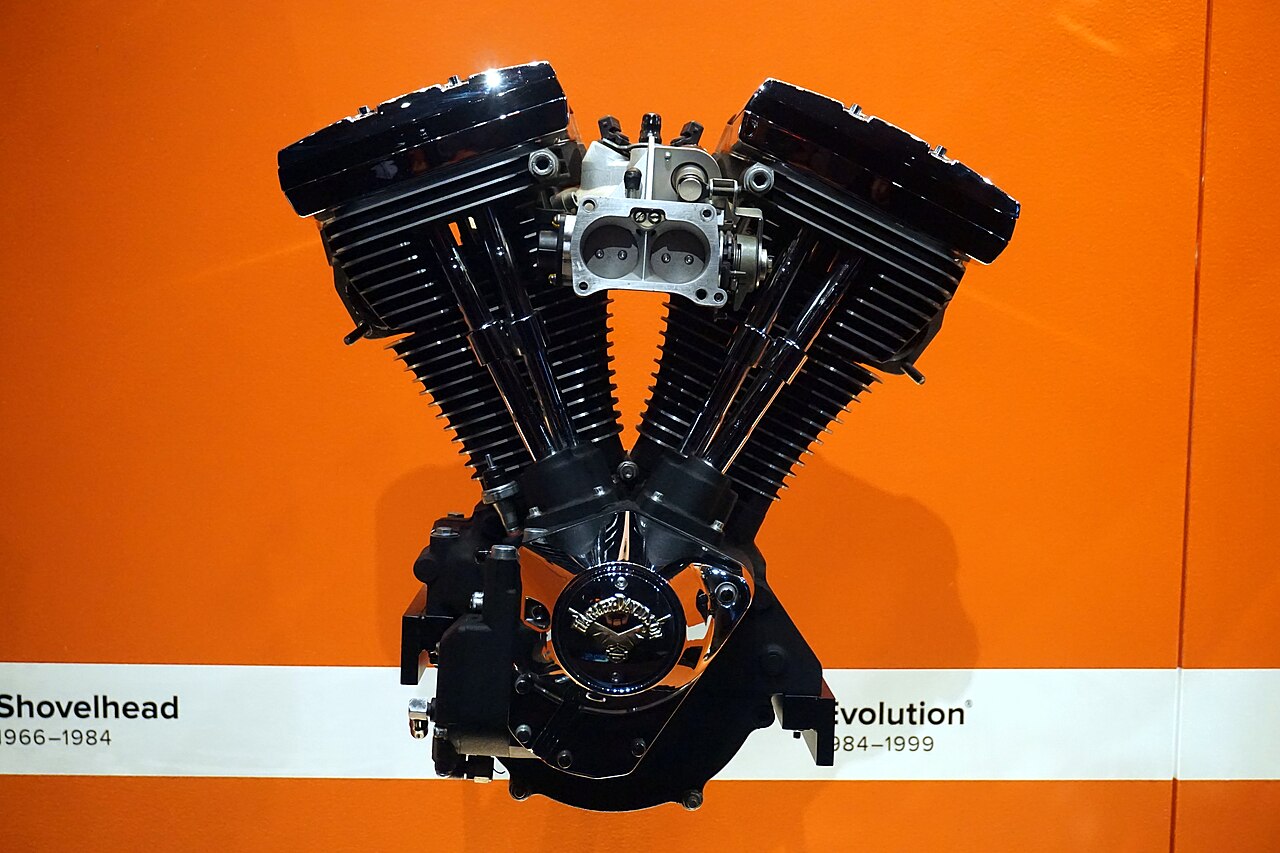
Evolution
All-aluminum top-end engineering, improved sealing and an enduring foundation for reliable street performance.
EXPLORE THE ENGINE →Engine-display photographs: Michael Barera / Wikimedia Commons, CC BY-SA 4.0. See original source and licence links inside each engine guide.
WTN Mechanic’s Desk — Big Twins, Sportsters & Workshop Departments
Alongside Knucklehead, Panhead, Shovelhead and Evolution, the Garage now carries original workshop libraries for the 1999–2017 Twin Cam and 2017–present Milwaukee-Eight. The Sportster Garage adds a model index and five generation guides, while Parts & Mods covers eight workshop departments. The engine libraries contain design revisions, model-year fitment checkpoints, oiling, cam and ignition systems, trouble-isolation matrices, work-order worksheets, build planning, and original manufacturer references. Always verify factory values for the specific VIN; a WTN summary is not a service manual.
THE MODERN POWER TRAIN
Twin Cam · Milwaukee-Eight · Sportster Evo
Twin Cam / 1999–2017
Two cams, varied engine balancing and important early/late cam-drive fitment differences. Check the exact model before buying performance parts.
OPEN TWIN CAM MECHANIC LIBRARY →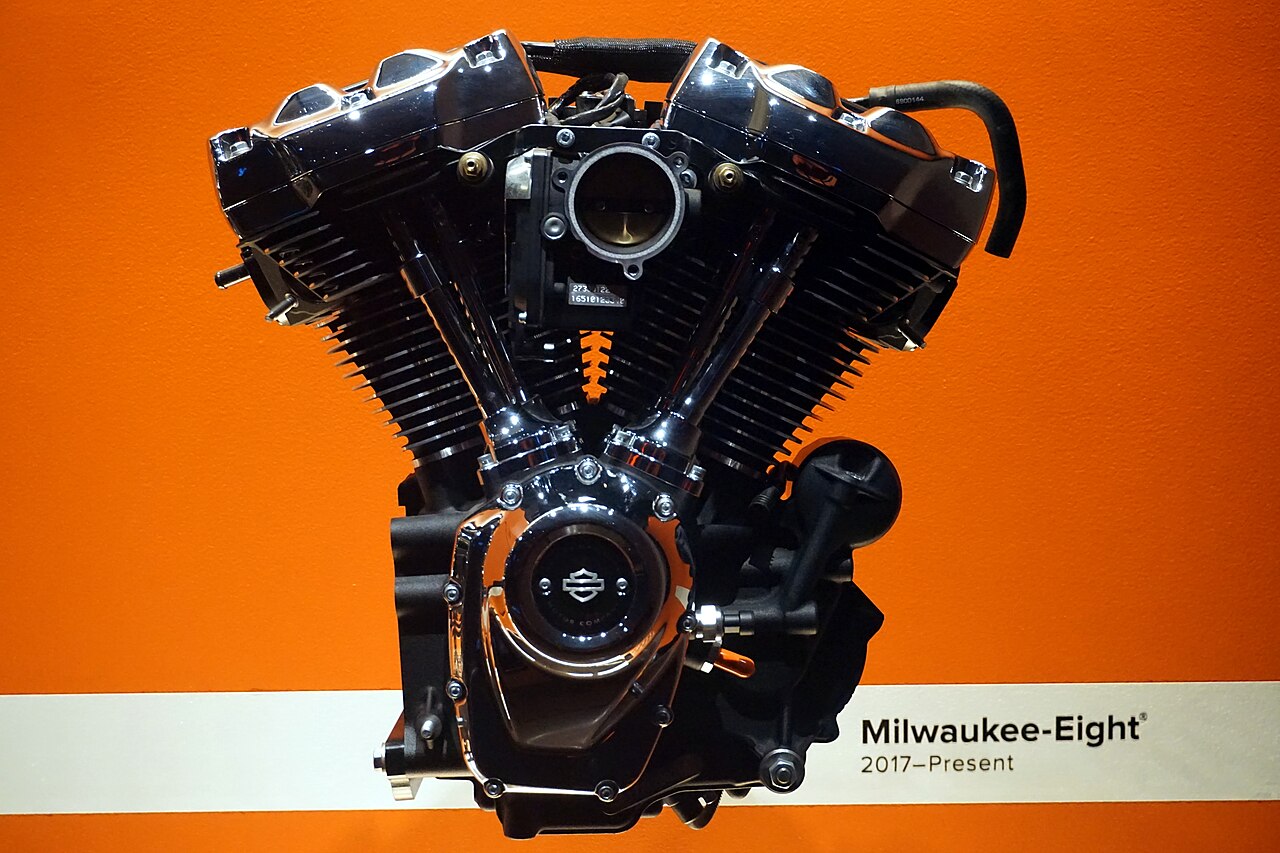
Milwaukee-Eight / 2017+
Modern four-valve Harley Big Twins call for careful ECU-generation, cooling and variable-valve-timing fitment checks.
OPEN MILWAUKEE-EIGHT MECHANIC LIBRARY →
Sportster Evo / 1986–2022
Don’t mix it up with the 1340 Big Twin. The XL unit engine has different hardware, transmissions, cam drive, frame changes and build choices.
OPEN THE SPORTSTER GARAGE →Photos: Michael Barera / Wikimedia Commons, CC BY-SA 4.0. Original image files and licences: Harley-Davidson Museum engine displays.
WHITE TRASH NETWORKS / THE GARAGE
UNDER THE TANK. INSIDE THE MOTOR.
American iron, workshop measurements and the details that make a build work.
WTN ORIGINAL / WORKSHOP DESK
MEASURE FIRST. BUILD WITH A REASON.
A good Harley build starts with a complaint you can describe, a baseline you can repeat and a parts list that belongs to the actual motor. These workshop files explain what the measurements mean and which question to answer next. The factory manual and the exact component instructions supply the assembly values.
01 / Compression and leak-down tell different stories
A compression gauge records pressure while the starter turns the motor. Battery condition, cranking speed, throttle procedure, temperature, valve timing and compression releases can all change the reading. Write those conditions beside each result; a number without the method is a poor baseline.
A leak-down test supplies regulated air with the piston correctly positioned on its compression stroke. It helps locate the leakage path: intake, exhaust or crankcase. Follow the tester instructions and secure the crankshaft using the correct service procedure; air pressure can turn the engine unexpectedly. A cooled engine and a hot engine are different test conditions.
- Low cranking pressure, acceptable leak-down: revisit test setup, cranking speed, cam timing and release operation before condemning the rings.
- Leakage heard at the intake: investigate intake-valve sealing and whether the valve train is holding the valve off its seat.
- Leakage heard at the exhaust: investigate the exhaust-valve path. Crankcase leakage points toward the piston/ring/cylinder path; some leakage is normal.
Record both cylinders with the same tester and conditions. Use the applicable service limits; percentages from different tester designs are not automatically comparable.
Primary references: OTC 5609 leakage-tester instructions. WTN research notes checked 17 November 2026; examples below are explanatory, not recorded WTN test results.
02 / Slow cranking is an electrical measurement job
A battery that shows voltage at rest can still struggle under load. Capture battery-post voltage during cranking, then voltage drop along the positive supply path and ground return path. A continuity beep alone does not demonstrate that a cable can carry starter current.
Use the meter’s voltage input, never its current input across the battery. Follow the motorcycle’s procedure to prevent starting, keep it stable in neutral, and keep leads away from moving parts. Test the actual posts and connection points; a shiny terminal cover proves nothing about the joint underneath.
Primary references: Fluke: starter-circuit voltage-drop testing. WTN research notes checked 17 November 2026; examples below are explanatory, not recorded WTN test results.
03 / Read the whole cam card
Maximum lift is one part of a cam’s description. Compare duration at the same checking height, opening and closing events, lift near top dead centre, the intended compression/displacement combination and the useful operating range. Advertised duration and duration at 0.050 inch are different measurements.
For an intake that opens before TDC and closes after BDC, duration is 180° plus those two events. If it opens after TDC, subtract the opening figure. Keep the manufacturer’s sign convention visible instead of mixing two catalogues.
Check piston-to-valve clearance near overlap as well as spring travel, retainer clearance, pushrod requirements and the complete valve train. A cam that clears the pistons may still exceed the travel available elsewhere.
Primary references: Harley-Davidson J06304: Screamin’ Eagle M8 cams · HAMMER Performance: XL cam installation and clearances. WTN research notes checked 17 November 2026; examples below are explanatory, not recorded WTN test results.
04 / Build a clearance record
Keep front and rear cylinder results separate. Record the component part numbers, measuring tool, method, temperature, measured value and the maker’s limit. A useful worksheet includes bore diameter in both axes at several heights, piston diameter at its specified gauge point, ring gaps, deck position, assembled squish, valve clearance and spring installed height.
Squish is the close approach of piston and head in the relevant chamber region. Gasket thickness is only one contributor: piston height, rod length, cylinder height, deck machining and chamber geometry also matter. A nominal catalogue stack is not a measured assembled clearance.
Static ratio does not predict cranking pressure by itself. Cam timing and test conditions also matter. Keep the intended fuel, riding load and calibration in the build brief.
Primary references: HAMMER Performance: checking squish. WTN research notes checked 17 November 2026; examples below are explanatory, not recorded WTN test results.
WHITE TRASH NETWORKS / THE GARAGE
POWER YOU CAN USE. A BIKE YOU CAN TRUST.
Cold starts, hot restarts, steady cruise and loaded running all belong on the build sheet.
FROM THE BENCH TO THE ROAD
05 / Know what your tuning equipment measures
Distinguish commanded mixture from measured mixture and distinguish fuel-table corrections from ignition calibration. Dynojet’s Power Vision documentation separates narrowband AutoTune Basic from wideband-supported modes and describes changes to volumetric-efficiency tables. A fuel correction log alone is not proof that spark timing, full-load fuelling or every operating cell has been validated.
Save the original calibration and identify the loaded map, hardware configuration, fuel and sensor equipment. Mark areas without useful samples as untested. Diagnose mechanical faults and sensor problems before asking a map to compensate for them. Use a controlled dyno session for load testing that cannot be done safely on the road.
Primary references: Dynojet: Power Vision AutoTune guide. WTN research notes checked 17 November 2026; examples below are explanatory, not recorded WTN test results.
06 / Read a torque curve in your riding range
Ask for a baseline and an after-run from a comparable test setup: same measurement location, correction method, gear, smoothing and a documented engine-temperature range. Keep air/fuel data and the parts/calibration list beside the power curve. Comparing crankshaft marketing power to rear-wheel measurements is not a before-and-after test.
In imperial mechanical units, horsepower = torque in lb-ft × rpm ÷ 5252. A hypothetical 90 lb-ft at 3,500 rpm works out to roughly 60 hp. The useful question is how much torque is available where the motorcycle is ridden, alongside starting, heat, clutch behaviour and reliability.
For a loaded touring bike, record the rider/luggage load, cruise rpm, roll-on behaviour without lugging, hot restart and the conditions that reproduce any complaint. Finish with an inspection for leaks, loose hardware and contact marks, plus a follow-up plan based on the actual parts instructions.
07 / A useful fault report
- WHEN IT HAPPENSCold or hot; starting, idle, cruise or load; gear/rpm; weather; fuel; time since the last work.
- WHAT CHANGEDExact fitted parts, calibration identifier, recent service, wiring changes and the first date the symptom appeared.
- WHAT WAS MEASUREDInstrument, method, temperature and result for each cylinder or circuit. Keep screenshots and original logs.
- WHAT PROVED THE REPAIRRepeat the original conditions and record the result. An unrelated short ride does not verify an intermittent fault.
Post that information in the WTN Forums with your engine family and model year. It gives another mechanic something solid to work with.
WTN / PERFORMANCE RESEARCH DESK
THE COMPLETE AFTERMARKET LIBRARY
Explore all 38 detailed guides from our companion motorcycle newsroom, Biker Free Press. The long-form reports include maker documentation, applicable year ranges, real-fitment questions, calibration limits, testing methodology and the difference between claimed results and independently measured ones. They open on the original Biker Free Press pages to keep source research and updates in one place.
Engine Design, Cams & Big-Bore Builds
13 research filesS&S Cycle 475 Cam
Published 2,200–5,200 rpm focus, chain/gear drive decisions and how to interpret a before-and-after torque curve.
READ THE COMPLETE TECHNICAL FILE →Feuling Reaper 465
Specific grind specifications, street-legal variant questions, cam-chest package choices and M8 generation exclusions.
READ THE COMPLETE TECHNICAL FILE →How to Read a Harley Dyno Chart
Rear-wheel vs crank power, baseline conditions, torque curves, installed costs and how to spot weak evidence.
READ THE COMPLETE TECHNICAL FILE →M8, Twin Cam, Evolution & VVT Are Different
A grounded engine-family map explaining why 'fits a Harley' or 'M8 compatible' is insufficient for choosing cams, ignition, ECU tuning, intake, exhaust, or chassis parts.
READ THE COMPLETE TECHNICAL FILE →S&S 475 Versus 496 Cam
Compare the claimed useful powerband rather than a single peak horsepower figure. Think about engine compression, displacement, exhaust, two-up load and the target riding rpm.
READ THE COMPLETE TECHNICAL FILE →Inside the M8 Cam Chest
Oil pump, camplate, lifters, crankshaft runout and why a responsible performance cam install involves inspecting the underlying system, not just replacing one lobe profile.
READ THE COMPLETE TECHNICAL FILE →Screamin' Eagle 135 Stage IV
What Harley's large Stage IV/crate-engine approach can involve and what a rider needs to compare with a piecemeal cam, cylinders, heads, injector and tune build.
READ THE COMPLETE TECHNICAL FILE →S&S 585 Versus Feuling 574 for Twin Cam
A technical look at non-M8 camshaft profiles for older Twin Cam applications, including year and valvetrain suitability, powerband aims and complete-engine compatibility.
READ THE COMPLETE TECHNICAL FILE →HAMMER 883-to-1275 Conversion
A Sportster-specific conversion guide covering cylinders, matching heads, combustion and assembly questions, tuning requirements and complete installed cost.
READ THE COMPLETE TECHNICAL FILE →Real Cost of a Performance Build
A complete-bill worksheet covering cams, big-bore work, tuning, dyno, shop labour, inspection, suspension, warranty implications and later service.
READ THE COMPLETE TECHNICAL FILE →Daytona Twin Tec TC88 & TC88A
The 1999–2006 carbureted Twin Cam module split, 2003 connector transition, ignition curves, rev limiting and model-specific legal approvals.
READ THE COMPLETE TECHNICAL FILE →M8 Coils, Spark Plugs & ECU Timing
Why modern M8 ignition is controlled through an ECU, why a coil cannot automatically create horsepower and which faults, plug specifications and timing risks deserve attention.
READ THE COMPLETE TECHNICAL FILE →Milwaukee-Eight 2017–2026 Fitment Map
Touring versus Softail, CVO High Output and VVT variants, Gen 2 G26 electronics and the complete model-year fitment information to collect before ordering.
READ THE COMPLETE TECHNICAL FILE →ECU Tuning & Fuel Management
4 research filesDynojet Power Vision 4
ECU compatibility, Gen 2 Milwaukee-Eight support, map validation, wideband accessories and emissions limits.
READ THE COMPLETE TECHNICAL FILE →Vance & Hines Fuelpak FP4
The FP4 is an app-operated flash tool for stated 2007–2023 applications. Its 49-state claims depend on the exact supported model and calibration. Learn why a 2024-plus Harley should not be assumed compatible and what map approval to request.
READ THE COMPLETE TECHNICAL FILE →ThunderMax Replacement ECM
Understand wideband oxygen feedback, automatic fuel correction, base-map selection, connector differences, feature integration and emissions requirements before replacing a factory controller.
READ THE COMPLETE TECHNICAL FILE →FP4 vs Power Vision 4 vs ThunderMax
Compare calibration delivery, ECU compatibility, licensing, closed-loop strategy, logging and total installation costs. Includes clear questions for a professional tuning shop.
READ THE COMPLETE TECHNICAL FILE →Exhaust & Intake
5 research filesS&S Stealth Air Cleaner
Throttle-body and year-specific fitment, excluded CVO variants and how to evaluate claimed intake gains.
READ THE COMPLETE TECHNICAL FILE →Vance & Hines Pro Pipe
Collector and catalyst design, application matching, torque-curve questions and noise/emissions checks.
READ THE COMPLETE TECHNICAL FILE →TAB Performance B.A.M. Sticks
B.A.M. Sticks sizes, baffle choices, 2017-up Touring applications, external dimensions and what a manufacturer emissions-replacement statement does not say about permissible noise.
READ THE COMPLETE TECHNICAL FILE →Rinehart HP45 & MotoPro45
The differences to investigate in Rinehart's 4.5-inch Touring mufflers: fitment, baffles, service, genuine sound comparison and whether a stock or modified motor needs calibration.
READ THE COMPLETE TECHNICAL FILE →2-Into-1 vs 2-Into-2 vs Slip-Ons
Learn how collectors, exhaust pulses, chamber design, cam timing and catalysts interact—and why peak horsepower and mobile-phone sound clips can mislead.
READ THE COMPLETE TECHNICAL FILE →Suspension, Steering & Handling
10 research filesLegend REVO-ARC
Independent compression and rebound settings, reservoir placement, spring selection and shock-length decisions.
READ THE COMPLETE TECHNICAL FILE →Öhlins STX36
STX Classic versus STX Pro, specific part numbers, ride height and choosing adjustable damping for your load.
READ THE COMPLETE TECHNICAL FILE →Progressive vs Race Tech Fork Components
Compare fork spring/damping solutions, application differences, ride feel and the right setup rather than assuming every brand solves the same handling problem.
READ THE COMPLETE TECHNICAL FILE →Touring Sag, Preload, Compression & Rebound
A practical reference for setting the bike around its real rider/passenger/luggage load, assessing wheel travel, and understanding compression versus rebound control.
READ THE COMPLETE TECHNICAL FILE →Tires Before Horsepower
Tire ratings, correct inflation for the load, wear, temperature and why the best suspension or braking upgrade may disappoint with unsuitable tires.
READ THE COMPLETE TECHNICAL FILE →Biltwell Tyson XL
Eight- to fourteen-inch options, TBW versus cable-control ends, grip geometry, bar pullback and how taller bars change hydraulic and electrical requirements.
READ THE COMPLETE TECHNICAL FILE →Burly Brand Dyna Cable Kits
The complete brake, clutch, throttle and wiring picture behind taller Dyna handlebars, including ABS-specific fitment and safe full-lock checks.
READ THE COMPLETE TECHNICAL FILE →GPR V5-S for Dyna & Softail
Harley-specific frame and clamp kits, T-bar/riser clearance, adjustment, and the difference between damping steering motion and repairing a mechanical fault.
READ THE COMPLETE TECHNICAL FILE →Storz/Ceriani Dyna Kit
A 16-position, rebuildable steering damper intended for specific older Dynas, with Wide Glide exclusions and mounting conditions.
READ THE COMPLETE TECHNICAL FILE →Steering Wobble & Suspension Faults
Distinguish headshake and weave. Review tire pressure, bearings, alignment, suspension sag, rider load and safety checks before installing a damper.
READ THE COMPLETE TECHNICAL FILE →Brakes, Clutch & Electrical
6 research filesBarnett Scorpion vs Screamin' Eagle
Clutch upgrades for modified M8 engines: actuation, torque capacity, friction material, lever effort, service requirements and whether the stock system actually needs replacing.
READ THE COMPLETE TECHNICAL FILE →Brembo Pads, Rotors and Measured Stops
How pad compounds, rotor geometry, fluid condition and system compatibility affect deceleration, and why single-stop tests or racing claims can mislead.
READ THE COMPLETE TECHNICAL FILE →Custom Dynamics ProBEAM
The 2025–2026 Softail amber-white front signal package, JAE connector fitment, Heritage adapters, BCM synchronization and lamp/lens approval questions.
READ THE COMPLETE TECHNICAL FILE →DENALI D7 Pro with CANsmart
Engine-guard mounted LEDs, CANsmart accessory circuits, charging-system headroom, harness routing, glare and permitted public-road operation.
READ THE COMPLETE TECHNICAL FILE →Performance Brake System Guide
Pad compound, disc compatibility, caliper and master-cylinder ratios, ABS integration, stopping-distance tests and why one expensive caliper is not a complete braking solution.
READ THE COMPLETE TECHNICAL FILE →Rekluse RadiusX for Harley M8
Rekluse EXP and TorqDrive concepts, automatic clutch engagement, hydraulic versus cable variants, torque capacity and real maintenance decisions.
READ THE COMPLETE TECHNICAL FILE →ENGINE FITMENT — START HERE
Not a parts approval listFactory engine generations matter, but model-year changes, frame fitment, cylinder-head variations, intake hardware, carb/EFI generation, alternator layout, crankcase and emissions equipment can change the right parts choice. Verify exact service literature and manufacturer application by model and VIN, especially on modified motorcycles.
| Engine | Production | Nominal cu in | Design identity | Before upgrading |
|---|---|---|---|---|
| Knucklehead | 1936–1947 | 61 / 74 | OHV; iron heads; generator; early dry-sump systems | Inspect case authenticity, valves, gear train, lubrication, ignition |
| Panhead | 1948–1965 | 61 / 74 | Aluminum heads, hydraulic lifters; classic pan-style covers | Inspect valve-guide work, top-end oil flow, electrics and year-specific parts |
| Shovelhead | 1966–1984 | 74 / 80 | Generator Shovels 1966–69; cone/alternator from 1970 | Match generator vs cone cases, oil pump era, charging and cylinder details |
| Evolution Big Twin | 1984–1999 | 80 | 1340cc CAD-developed V2; aluminum cylinders and heads | Check case, cam, tappet, ignition and chassis fitment |
| Evolution Sportster | 1986–2022 | 883 / 1100 / 1200 | Separate XL unit engine, not a Big Twin Evo | Verify rigid vs rubber-mount era, gearboxes, heads, ports and year |
| Twin Cam | 1999–2017 | 88 to 110+ | Two-cam Big Twin, model-specific balanced variants | Verify early/late cam drive, oil system, EFI and chassis |
| Milwaukee-Eight | 2017 onward | 107+ family | Four-valve heads; EFI; differing cooling and VVT variants | Verify year, model, VVT, electronics and emissions requirements |
Production ranges shown for the core engine families, not every exceptional factory/custom model. Published Harley-Davidson nomenclature often rounds nominal displacement. None of these generations is automatically parts-interchangeable.
WTN BUILD PLANNING CHECKLIST
Reliable power beats unproven claims01 / Identify
VIN, engine numbers, actual case/head casting numbers, base model, current modifications and whether parts are original or mixed-era.
02 / Diagnose
Leakdown/compression test where applicable, charging/ignition checks, oil pressure/return, drivetrain, valve-train condition and brake/tire safety.
03 / Decide the goal
Road torque, two-up touring, low-speed manners, restoration originality or a properly specified high-output combination. Define operating rpm first.
04 / Match the system
Cams, compression, combustion chamber, fuel delivery, exhaust, clutch, cooling and bearing loads must work together.
05 / Budget it all
Parts, machine work, installation, tuning/dyno, oil and gaskets, brake/suspension updates, taxes, transport and unexpected wear.
06 / Verify
Document baseline and after-work test conditions, temperatures, fuel calibration, measured results, legal compliance and follow-up servicing.
Safety-critical jobs, machining and engine rebuild tolerances demand the correct model-year factory manual and competent inspection. Don’t rely on a generic internet torque specification.
ENGINE HISTORY & TECHNICAL SOURCES
Core historical facts are checked against Harley-Davidson’s official engine history; vintage model/fitment references are cross-checked with factory service material and credible technical histories. Product summaries link to the original research reports rather than reproducing claims as independent tests.
For documented service procedures, use Harley-Davidson Service Information Portal and year-specific service and parts catalogues. Photos throughout are archival examples of the actual engine families, not WTN-conducted dyno testing.